
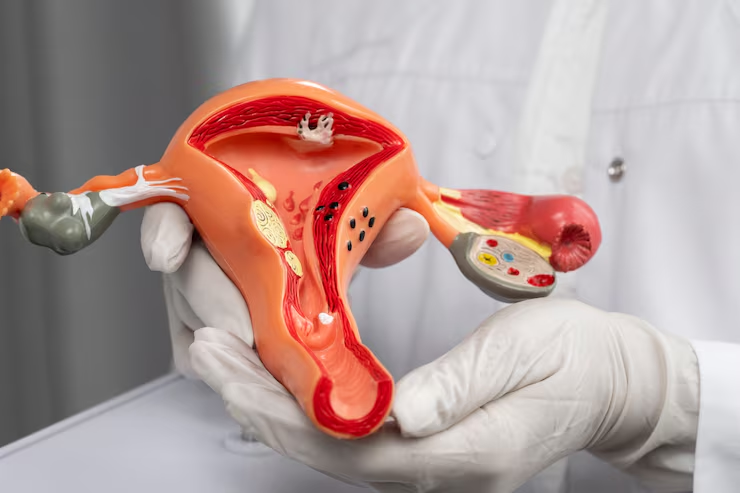
Pelvic Organ Prolapse
Pelvic organ prolapse occurs when the bladder, uterus, or vaginal walls lose support and descend, creating pressure or bulging symptoms.
At Urocare Urology Superspeciality Clinic, Dr. Srikanth provides focused care for Pelvic Organ Prolapse with a patient-specific plan. The aim is to relieve symptoms, prevent complications, and choose the safest effective treatment for lasting improvement.
Key Concerns in Pelvic Organ Prolapse
- Patients may feel vaginal heaviness, a bulge, pelvic pressure, urinary difficulty, or incomplete emptying.
- Bladder symptoms in women may reflect infection, pelvic floor issues, prolapse, or functional bladder disorders.
- Many women delay treatment even when symptoms begin to affect confidence and daily routine.
- Early care improves comfort, sleep, bladder control, and long-term pelvic support.
- Management is planned around the exact type of symptom, examination findings, and lifestyle needs.
Treatment planning is guided by symptoms, examination findings, medical history, age, associated conditions, and the need to preserve long-term urinary and overall health.
Evaluation and Treatment for Pelvic Organ Prolapse
- Assessment includes pelvic examination, review of urinary symptoms, and planning around severity, age, and activity needs.
- Treatment may include observation, pelvic floor support, pessary care, or surgery depending on symptom burden and prolapse grade.
- The treatment plan may combine bladder retraining, pelvic support, medication, or procedure-based care.
- Investigations are selected to understand the cause while avoiding unnecessary testing.
- Follow-up aims at durable symptom improvement and prevention of recurrence.
Why Choose Dr. Srikanth for Pelvic Organ Prolapse?
- Focused female urology care for bladder control, infections, and pelvic support problems.
- Care plans that balance symptom relief with comfort, privacy, and long-term function.
- Practical guidance on conservative and surgical options when needed.
- A structured approach for both common and recurring female urinary concerns.
Get in Touch
If you would like a consultation for Pelvic Organ Prolapse, early specialist review can help define the problem clearly and support timely treatment.
- Call Now: +91 6366017702
- Email: [email protected]
- Visit Clinic: Urocare Urology Superspeciality Clinic
Frequently Asked Questions (FAQs)
Pelvic organ prolapse occurs when the bladder, uterus, or vaginal walls lose support and descend, creating pressure or bulging symptoms.
Patients may feel vaginal heaviness, a bulge, pelvic pressure, urinary difficulty, or incomplete emptying.
Assessment includes pelvic examination, review of urinary symptoms, and planning around severity, age, and activity needs.
Treatment may include observation, pelvic floor support, pessary care, or surgery depending on symptom burden and prolapse grade.
Consultation is important when pelvic pressure, bulge symptoms, or bladder emptying problems begin affecting comfort or quality of life.